Human speech Processing in Broca’s Area across Neuronal Scales
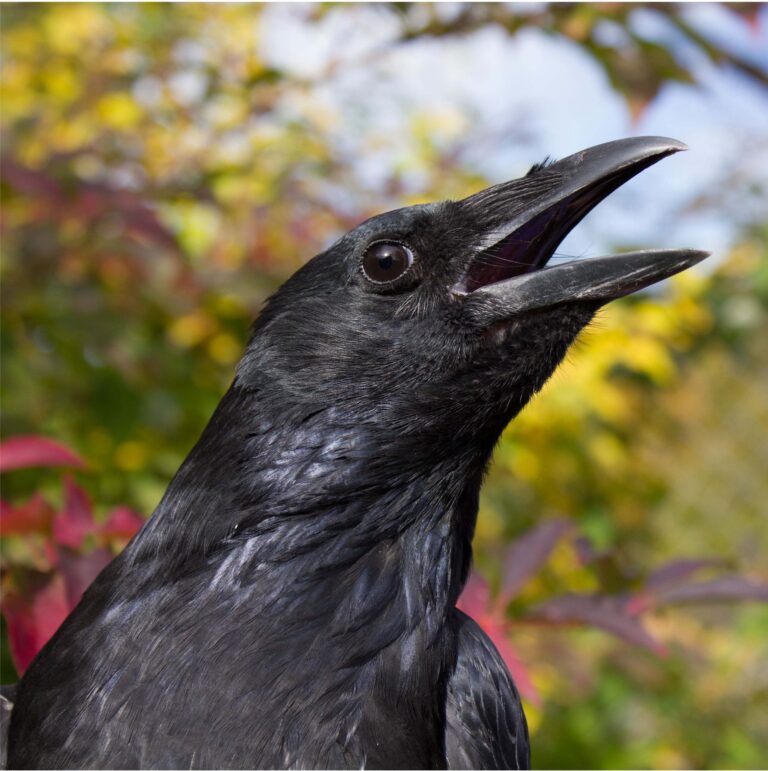
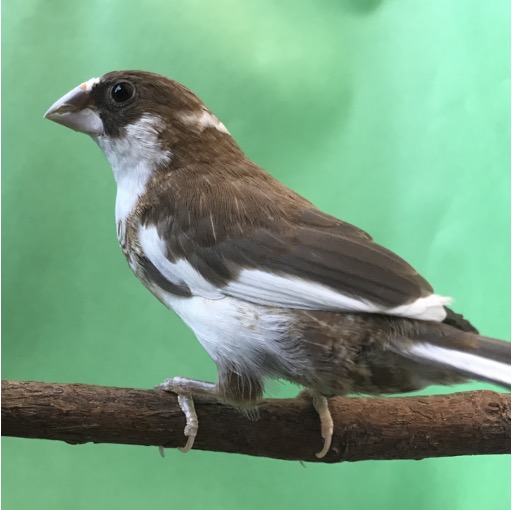
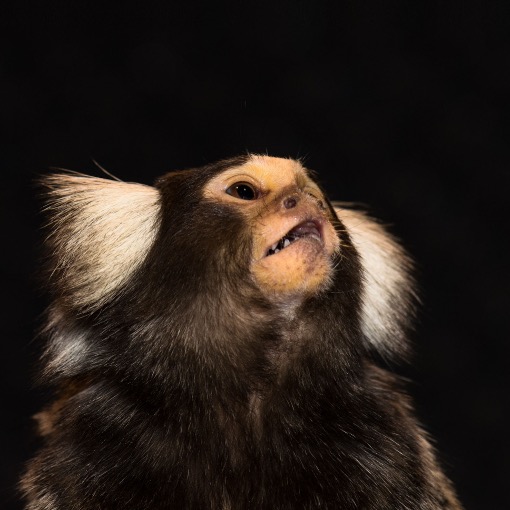
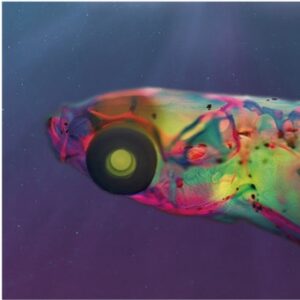
Social interactions among individual animals often rely on the exchange of vocalizations, which are essential for survival and reproduction. However, our understanding of the fundamental neural mechanisms that govern how vocalizations are produced, learned, and coordinated between individuals throughout vertebrate species is limited. With our “Neural Basis of Vocal Communication” Research Unit, we will take a comparative approach to map the brain networks that drive vocalizations across fish, birds, and mammals.
This unique strategy will provide us with the ability to identify common principles underlying how different vocal communication systems function across vertebrates, as well as reveal species-specific adaptations that are shaped by ecological and social pressures.
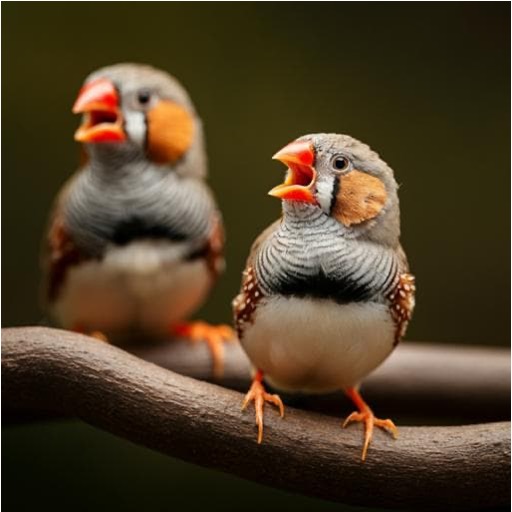
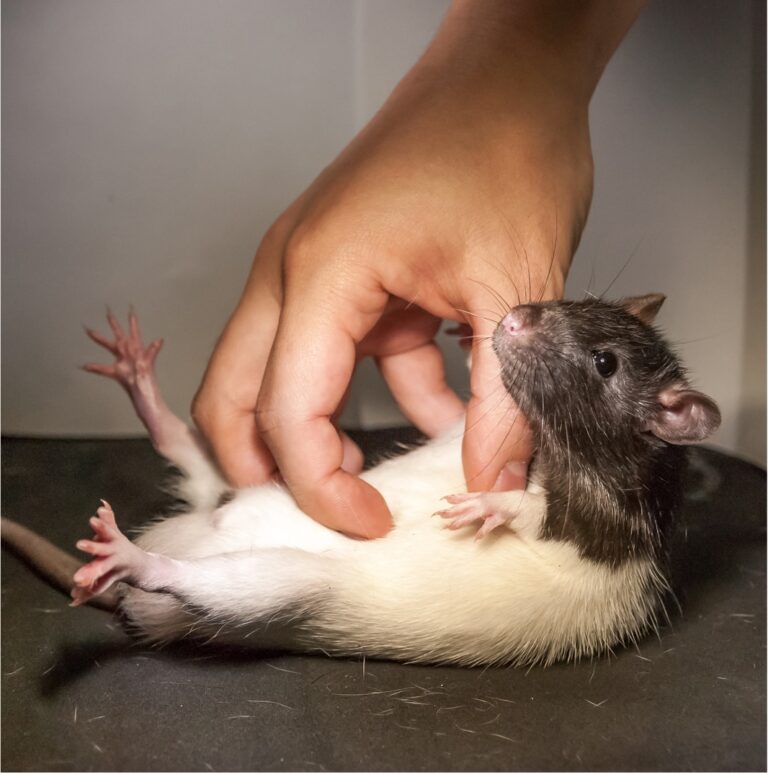
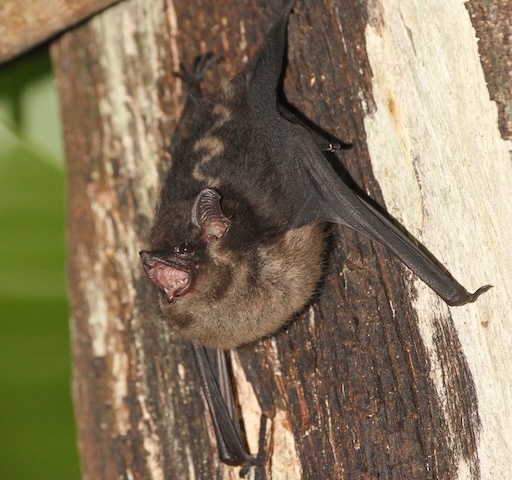
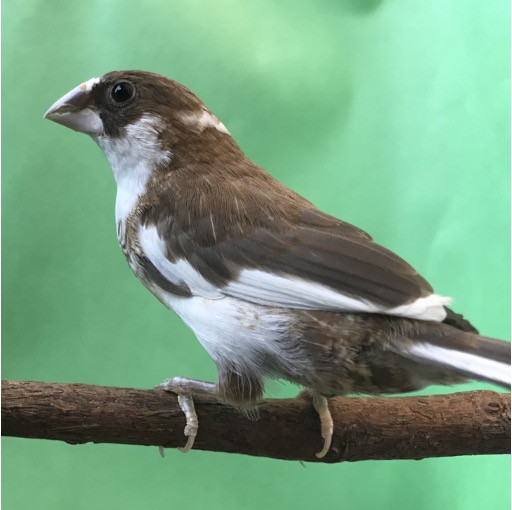
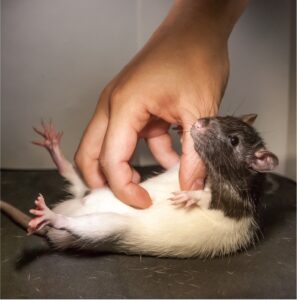
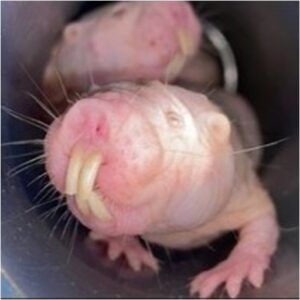
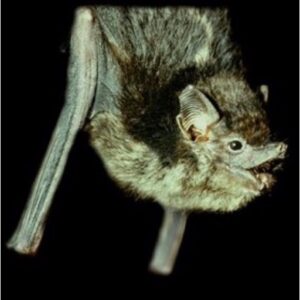
By bringing together leading experts who have pioneered research on vocal communication in diverse model systems (including fish, rodents, birds, bats, and primates, including humans) we plan to explore hypotheses that were previously impossible to address with traditional siloed and fragmented approaches. Using an interdisciplinary strategy that combines behavioral and acoustic tracking of behaving animals, neurophysiological (from single cell to whole brain measurements), and computational techniques we will investigate the underlying neural basis of vocal communication in species with different degrees of vocal complexity. This will allow us to explore the mechanisms of vocal control, how vocalizations are modulated by context, such as the presence of other individuals and species and ambient noise, and how they are influenced by affective state and higher-order cognitive abilities. Moving towards a comparative and holistic view of brain-wide networks in diverse vertebrates will allow us to identify common principles of vocal communication. Applying these principles to human speech will help unravel our understanding of this complex behavior.
Through collaboration and the application of state-of-the-art interdisciplinary techniques within a comparative framework, the ultimate goal of the Research Unit is to understand the mechanisms and function of vocal communication and how this complex behavior evolved among vertebrates.