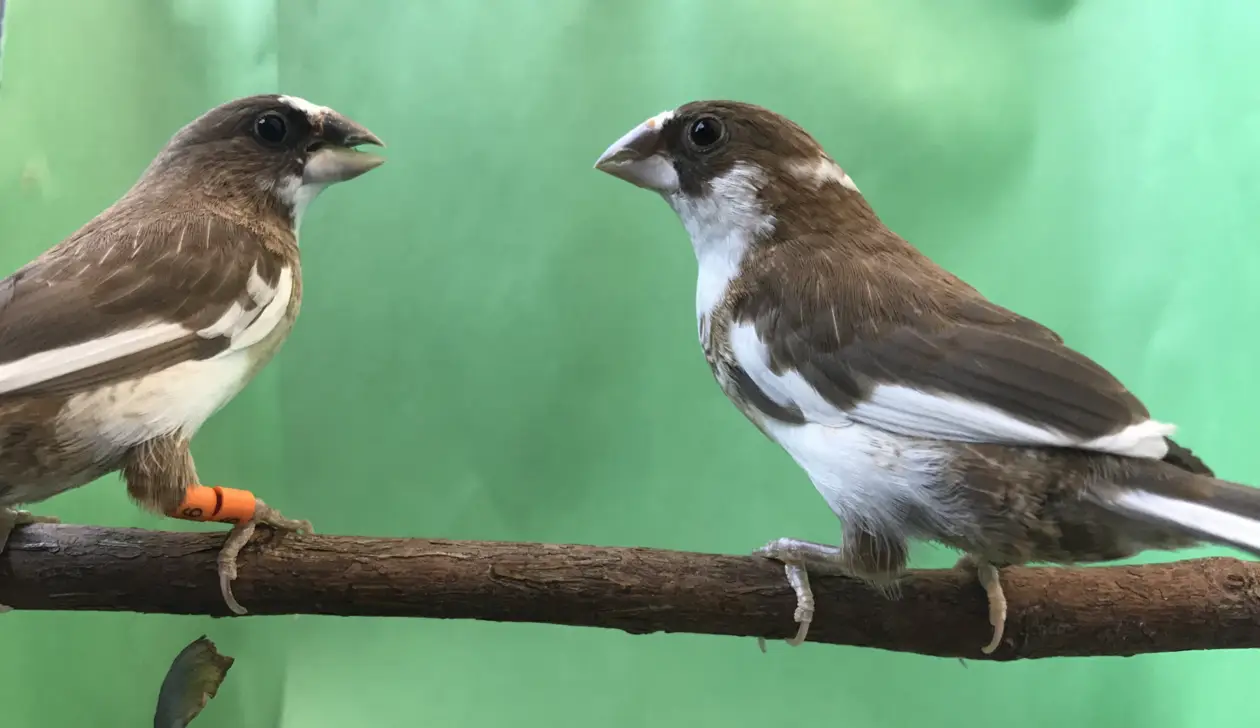
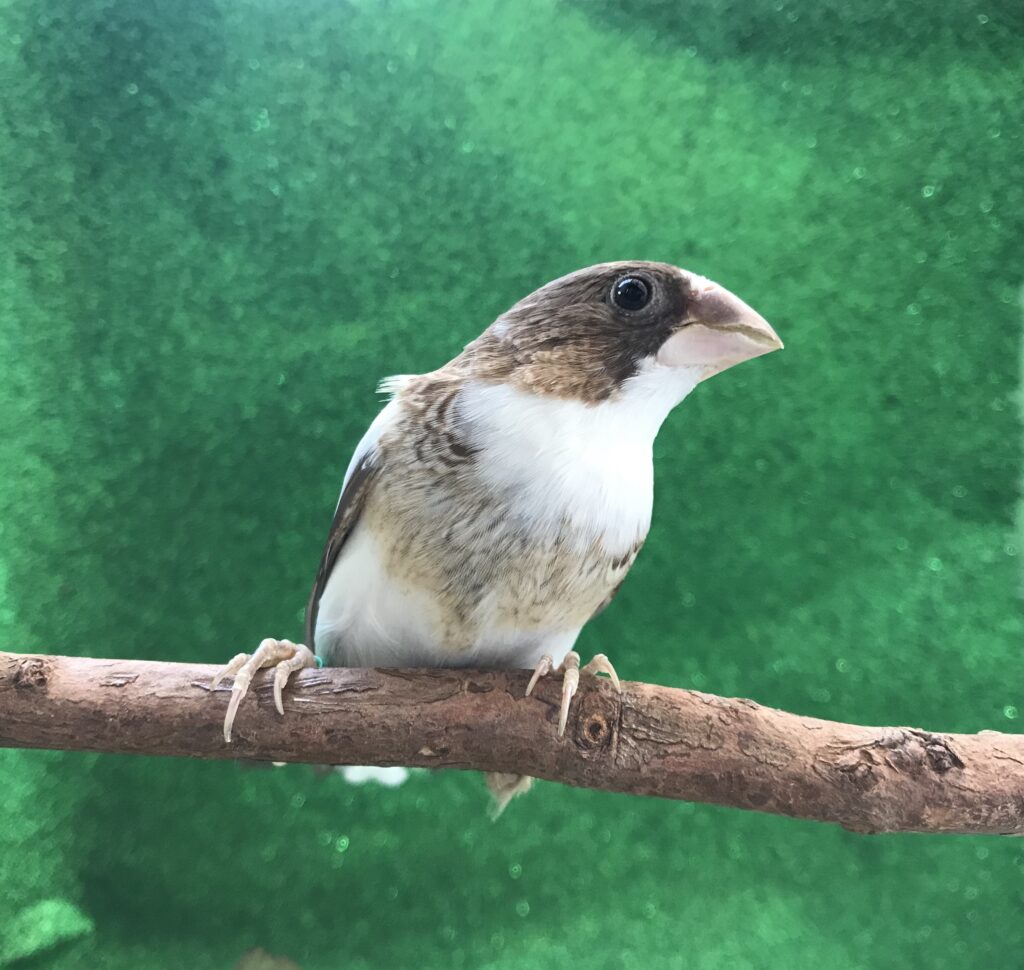
In this project we will develop statistical and neural-network models of the rich sequential architecture of the songs of Bengalese finches (Lonchura striata domestica), and test these models with behavioural and neurophysiological experiments. The songs exhibit a mixture of systematicity and randomness over multiple temporal scales: syllables; deterministic chunks containing multiple syllables in fixed sequences; partly stochastic branch points in which choices can depend on recent past syllables and chunks; and bout-scale dependencies lasting from the beginning to the end of a song. The importance of these elements in evident from their impact on reinforcement-driven plasticity of different parts of the song; the sequential composition of song from these elements also imposes strong constraints on the functional organization of the circuits involved in song control, including nucleus HVC (proper name). However, the song architecture has yet to be fully characterized, and the constraints have therefore not been examined in full detail. We will apply modern machine learning methods to a large database of automatically-annotated songs from individual birds and test the hierarchical dependencies implied by the resulting models behaviourally and neurophysiologically. On the behavioral level, we will target auditory closed-loop modifications at statistically-relevant junctures, and measure the resulting sequence changes. On the neuronal level, we will apply electrical microstimulation at the same junctures, and record the activity of HVC output neurons. Finally, we will apply the same modelling approach to contribute to the behavioural and neural characterizations of the sophisticated vocalizations of other species in the research group, starting with bats and marmosets.