A comparative approach is essential to comprehensively understand canonical circuits of vertebrate vocal communication and how social context shapes vocal production.
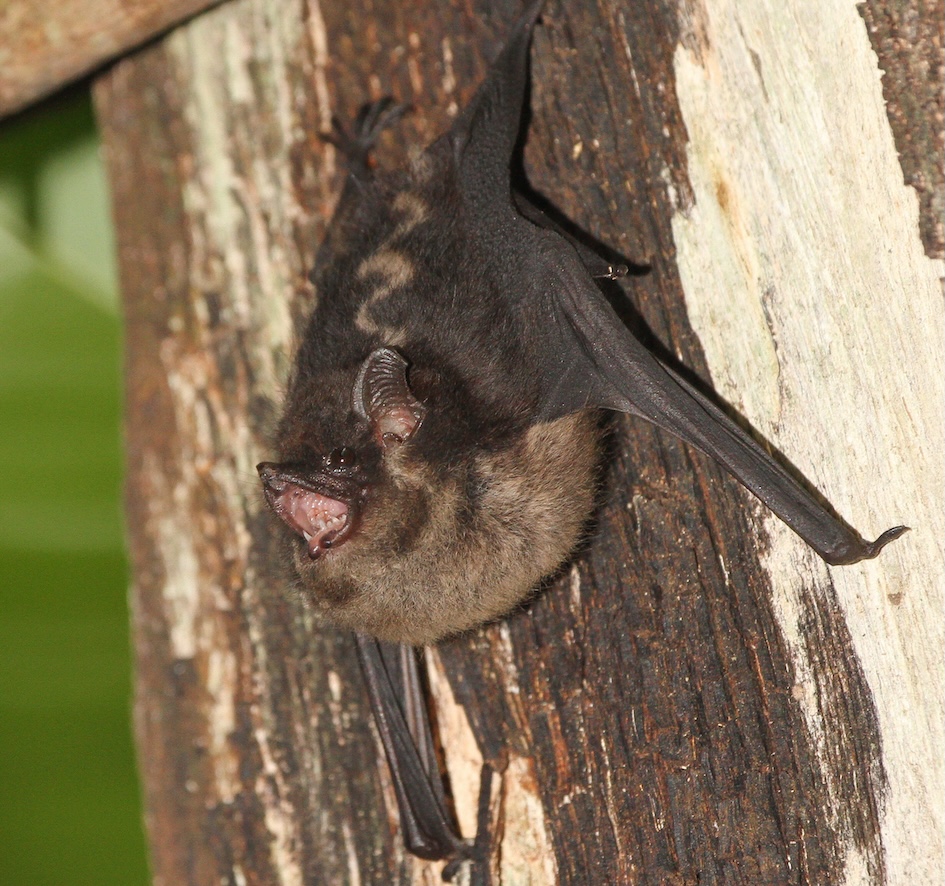
Our contribution to this multidisciplinary endeavor will explore the vocal behavior and the neuromolecular substrates of vocal production in two bat species, Carollia perspicillata (CP) and Saccopteryx bilineata (SB), with different vocal production learning (VPL) capacities. On the continuum of VPL capacity, SB is a verified vocal learner, whereas CP has not been studied thoroughly with regard to its VPL capacities. We will therefore (1) analyse acoustic trajectories during vocal development of CP from pup/subadult vocalizations to adult tutor song. We will (2) compare neural activation associated with echolocation and song in different social contexts in both species using multiplex in situ hybridization of immediate early genes and neural markers, identifying brain regions and neuronal subtypes. Using molecular markers identified in humans we aim (3) to identify in CP and SB the anatomical location of the laryngeal motor cortex (LMC) as it directly controls voluntary production of vocalizations in vocally learning species. To facilitate the holistic integration and analysis of anatomical and gene expression data for cross-species comparisons, we will develop a BrainGlobe API for bats.
Together with the findings from the other projects, our data will add to our understanding how social context shapes vocal production and provide insights into canonical circuits for vocal communication.